
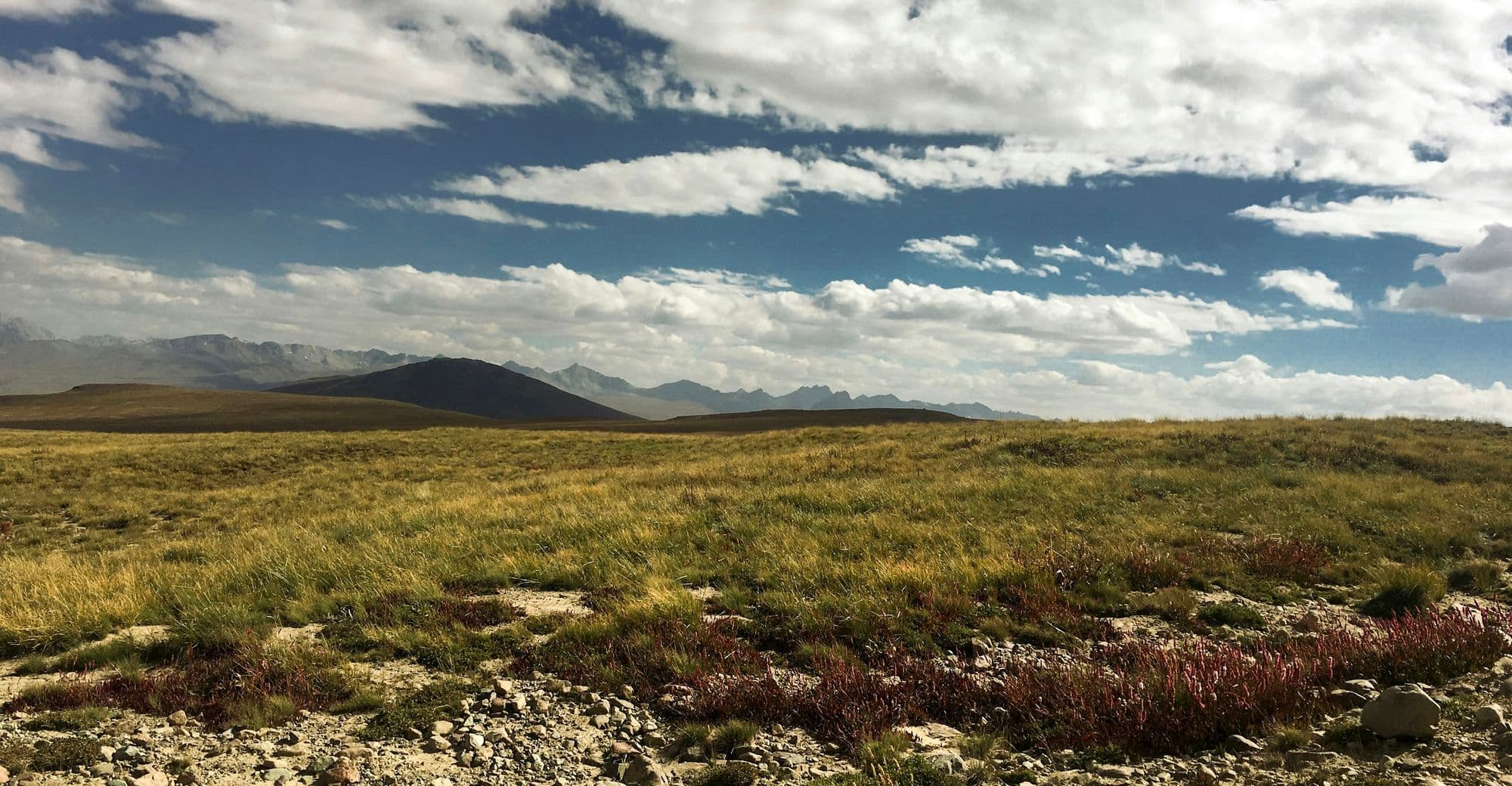
Deosai is open roughly from mid-June to late September, costs foreigners about PKR 3,000 to 4,000 at the gate, and is the best place in Pakistan to see a Himalayan brown bear from a safe distance. You reach it in two to three hours by jeep from Skardu, sleep in a seasonal camp at Bara Pani or Sheosar Lake, and leave the way you came or carry on to Astore.
I grew up with Deosai as the place we went when the Skardu summer got too hot. Our guests arrive with three questions: will we see a bear, can we camp, and what paperwork do we need? Here is what I tell them, with the honest parts left in.
What Deosai is, in two paragraphs
Deosai is a high plateau between Skardu and Astore, declared a national park in 1993 mainly to protect the Himalayan brown bear and its habitat (Express Tribune, Oct 2026). The park covers about 3,584 km² and sits between 3,500 and 5,200 m, with roughly 60 per cent of it between 4,000 and 4,500 m (Frontiers in Ecology and Evolution, 2024). The Gilgit-Baltistan tourism department gives the average elevation as 4,114 m and calls it the second highest plateau in the world (GB e-tourism).
In Balti we call it Ghab-i-Yarsa, the place of summer, because for most of the year it is under snow and nobody lives there. For about three months it turns green, the wildflowers come out, the marmots whistle at every jeep, and the bears come down to the streams. That is the Deosai you are travelling for.
When the road is open
The only road across the plains runs between Sadpara, above Skardu, and Chilam on the Astore side. It is a dirt track above the tree line and it closes with the snow. The practical window is mid-June to late September, sometimes into early October; from October to May the park is closed to vehicles (Skardu Explorers; GB e-tourism). July and August are the greenest months, and late July is the peak of the wildflowers (Off the Atlas).
My own preference is late July to the end of August: flowers out, streams high, bears in the open. September is quieter with sharper light, but nights drop well below freezing. Whatever the month, start early, because the weather turns in the afternoon. [confirm locally: the opening date for the coming season with the GB Forest and Wildlife Department before promising guests a June date]
Getting there from Skardu and from Astore
From Skardu. It is 15 km of paved road to Sadpara Lake, about 30 minutes. From the lake the asphalt ends and a steep dirt road climbs 20 km to Ali Malik Mar pass at about 4,300 m, roughly an hour. From the pass it is another 10 km, about 45 minutes, down to Bara Pani. Call it 45 km and two to two and a half hours from Skardu to the first camp (Skardu Explorers). The climb from Sadpara is the roughest part of the whole trip, and a 4x4 with a driver who knows the road is not optional.
From Astore. Astore to Chilam via Gorikot is 55 km and about two hours; Chilam to Sheosar Lake is 15 km and about an hour (Skardu Explorers). The whole Skardu to Astore crossing is about 152 km (GB e-tourism) and takes most of a day with stops. This is the route we use on our 13-day Gilgit-Baltistan Autumn Tour when guests want to link Skardu with Fairy Meadows, because from Astore you are a few hours from Raikot Bridge.
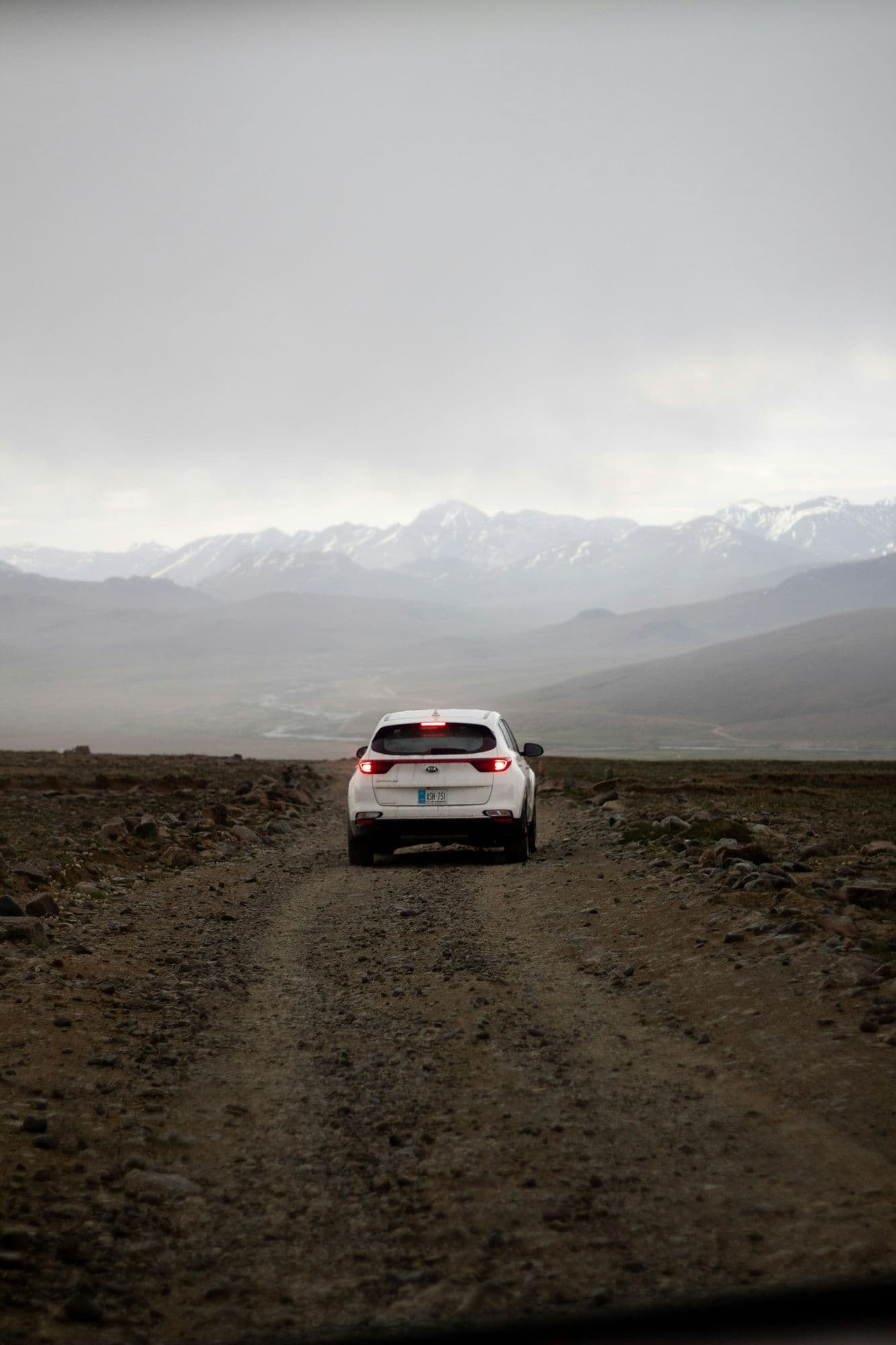
What a jeep costs. A day trip from Skardu to Sheosar and back, with driver and fuel, is in the range of PKR 18,000 to 25,000; an overnight or two-day trip, including the driver's allowance and waiting fee, PKR 30,000 to 40,000 (Skardu Explorers). Rates move with fuel prices every season. [confirm locally: current jeep rates from the Skardu jeep stand before quoting]
Permits and the entry ticket
There is no trekking-style permit or NOC for Deosai. What you need is the park entry ticket, bought at the checkpost on your way in: Ali Malik on the Skardu side or Chilam on the Astore side. Keep the ticket, because you will be asked for it on the way out (Off the Atlas).
Foreign visitors pay in the region of PKR 3,000 to 4,000 per person; one traveller's account gives an exact PKR 3,100. Pakistani visitors pay roughly PKR 200 to 500 (Skardu Explorers; Off the Atlas). Carry cash in small notes; there is no card machine and no ATM for 150 km. Foreigners should also carry a passport and a copy, as the checkposts record every entry. [confirm locally: the current foreigner and Pakistani ticket prices for the season, as the Wildlife Department revises them]
Where to camp
There are no hotels inside the park. You sleep in a seasonal camp or in your own tent, and the choice is between three places (Off the Atlas; GB e-tourism).
Bara Pani has the most facilities and the best views: a river you can sit beside, a small hill behind camp that gains about 300 m for sunset, and a handful of operators with fixed tents and a cook. It is also the busiest spot and the best place to watch for bears across the river at dawn.
Kala Pani is about 45 minutes further on, smaller and quieter, with less of a view.
Sheosar Lake, at about 4,142 m on the Astore side, is the most beautiful and the most basic. The lake sits in a bowl with Nanga Parbat on the western horizon, and in a good year the shore is purple with flowers. Facilities can be close to nothing, so bring your own gear if you want to sleep here.
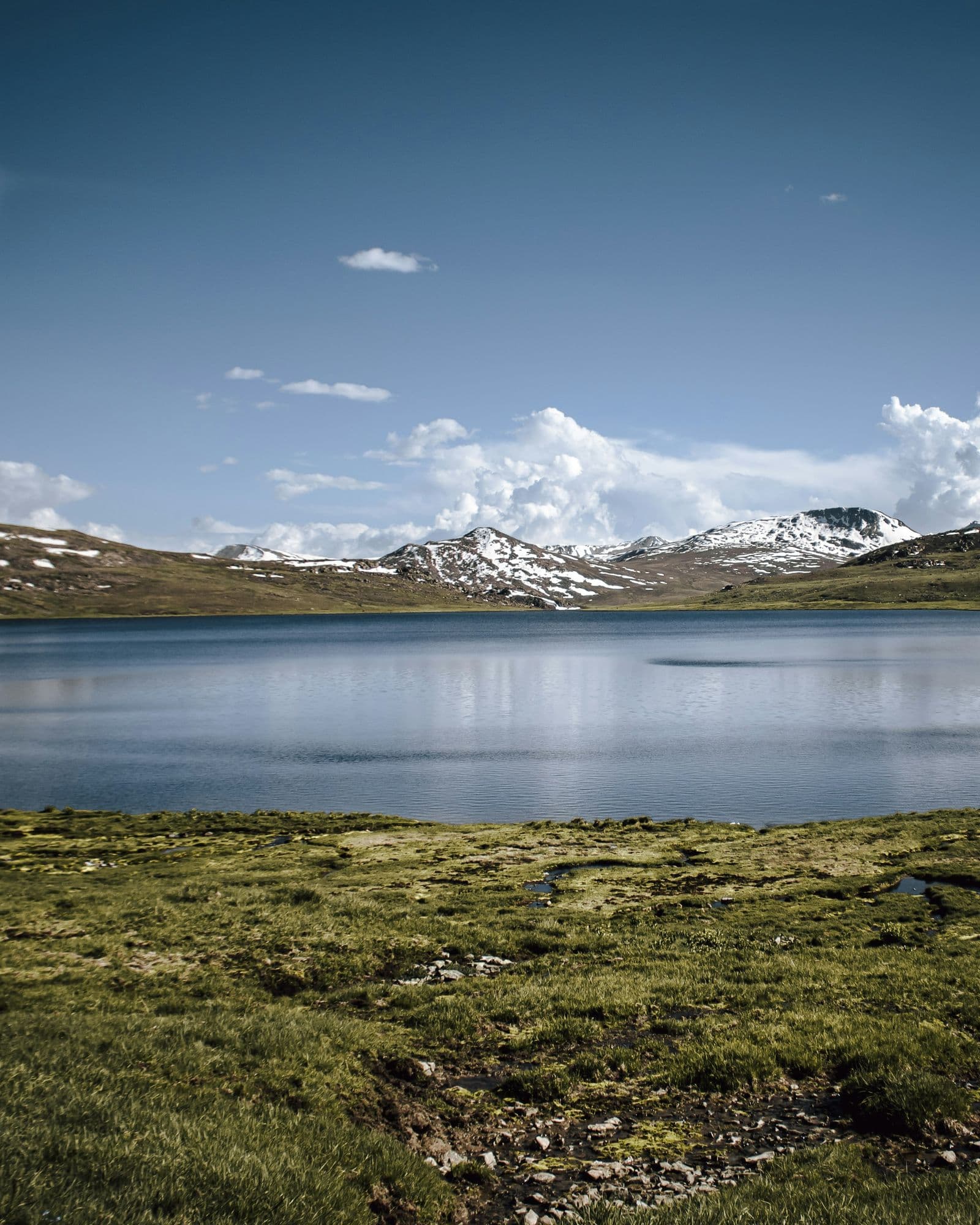
Tent and mattress hire at the seasonal camps runs PKR 2,500 to 5,000 a night (Skardu Explorers); the camp kitchens cook simple dal, rice and chapati. Bring a proper sleeping bag rated to freezing, because even in July you can wake up to ice on the tent. Bring strong mosquito repellent too: the plains swarm with them by late morning near the rivers (Off the Atlas).
The bears, and how to behave around them
The reason the park exists is the Himalayan brown bear. A 2022 survey, run with camera traps at 89 stations across the park, estimated about 66 bears in Deosai and its buffer valleys, with a likely range of 58 to 77 (Express Tribune; Frontiers, 2024). That number has grown since the park was declared, which is a rare good-news story for a large carnivore in Pakistan.
Your chance of seeing one is real but not guaranteed. The bears graze in the open in the early morning and late afternoon, often along the Bara Pani river and the slopes towards Kala Pani. Over two nights in July or August, I would say most of our groups see at least one, usually a long way off through binoculars. Bring binoculars. A phone camera will give you a brown dot.
The rules are simple and they matter. Keep at least 150 to 200 m away, never walk towards a bear, and never leave food or rubbish outside your tent or vehicle (Skardu Explorers). In October 2026 the Tribune reported photographers finding bears drawn to tourist waste and pieces of plastic bags in bear droppings, which is exactly the problem a careless camp creates (Express Tribune). Pack out everything you bring in. The marmots will try to eat your snacks as well; do not let them.
Altitude, weather and the things nobody mentions
You go from Skardu at about 2,230 m to 4,100 m in two hours, so a headache on the first evening is normal. Drink water, walk slowly and do not plan a hard hike on day one. If someone is very unwell, drive down to Skardu; do not wait it out.
There is no phone signal across most of the plateau, no fuel and no mechanic. Fill the tank in Skardu, carry drinking water, and tell your hotel when to expect you back. Pack a warm hat, gloves, a down jacket, sunglasses and sunscreen: the sun up here is brutal even when the air is cold.
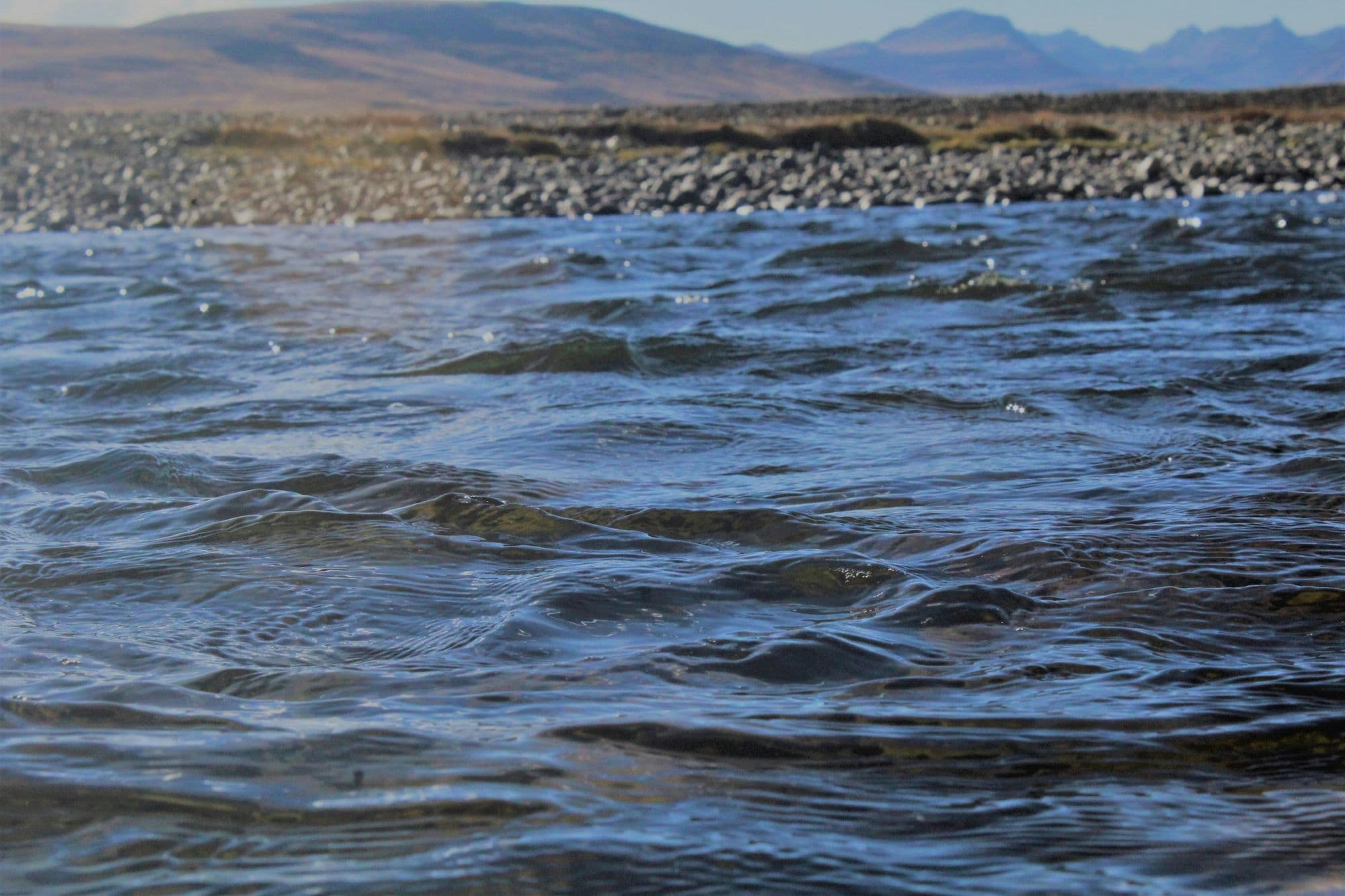
[owner: add a local detail here]
Our suggested two-day plan
Day one: leave Skardu by 7 am, tea at Sadpara, cross Ali Malik Mar by 9, reach Bara Pani for lunch, afternoon bear-watching and the short hill walk at sunset. Day two: early drive to Sheosar for the morning light, then either return to Skardu for a late lunch or continue down to Astore and on to Raikot Bridge for Fairy Meadows. We build this into our Skardu trips and it fits neatly inside the 13-day Ultimate Pakistan Tour between Hunza and Skardu. For trekkers acclimatising before the 20-day Snow Lake / Biafo-Hispar La trek, a night at Bara Pani is an easy first taste of 4,000 m.
Plan your Deosai trip with us
Download our free Pakistan Trip Planner 2027, which has the Deosai season window, a packing list for high camps and a month-by-month guide to Skardu: get the free guide.
Or tell us your dates and we will arrange the jeep, the camp and a guide who knows where the bears were yesterday: request a custom itinerary.
Muneeba Afzal is a travel writer with Third Pole Adventures.
FAQ
The road is usually passable from mid-June to late September, sometimes early October. From October to May the plateau is under snow and closed to vehicles. July and August are the best months.
Roughly PKR 3,000 to 4,000 per person, paid in cash at the Ali Malik or Chilam checkpost; Pakistani visitors pay about PKR 200 to 500. Keep the ticket for the exit check. Prices are revised, so confirm before you travel.
No. The park entry ticket is the only paperwork. Foreigners should carry their passport and a photocopy for the checkposts.
Often, but not always. The 2022 survey estimated about 66 bears across the park. Spend at least one night at Bara Pani, be out at dawn and dusk, bring binoculars and stay at least 150 m away.
Yes. Seasonal camps at Bara Pani and Sheosar Lake hire tents for about PKR 2,500 to 5,000 a night, or you can pitch your own. There are no hotels inside the park, and nights fall below freezing even in summer.
Hero, Deosai plateau: Shehzy Alam / Unsplash (photo page, Unsplash licence). Deosai road, Astore side: Umar Farooq / Unsplash (photo page, Unsplash licence). Sheosar Lake: Najmul Hasan / Unsplash (photo page, Unsplash licence). Deosai after snow: Muahammad Imran / Unsplash (photo page, Unsplash licence).
Take the next step
Get the free Pakistan Trip Planner 2027, or tell us your dates and we will cost a private itinerary around them.
Comments (0)
No comments yet — be the first to share your thoughts.