
For the places most visitors actually go, Islamabad, Lahore, Hunza and Skardu, yes, Pakistan is safe for tourists in 2027, and the northern valleys where I work have hosted foreign trekkers without serious incident for years. The honest caveat is that the risks here are practical rather than political: a cancelled flight, a rockfall on the road, a bout of altitude sickness, and the fact that a few provinces further south and west are still rightly off-limits.
I was born in Hunza and have guided here since before Third Pole Adventures existed. Every week someone emails us the same question, usually after a worried relative has sent them a news headline. So here is the answer I give my own guests, with the official advisories laid out beside what I see on the ground.
What the official advisories say about Pakistan in 2026 and 2027
Start with the advisories, because your travel insurance follows them. As of the UK FCDO page updated 22 September 2026, Britain advises against all travel to Balochistan, to most of Khyber Pakhtunkhwa, and to the stretch of the Karakoram Highway between Mansehra and Chilas via Battagram, Besham, Dasu and Sazin. It advises against all but essential travel to Azad Jammu and Kashmir and to northern Sindh. On 15 April 2026 the FCDO removed its "all but essential" warning for Gilgit-Baltistan, which means Hunza, Skardu, Gilgit and the Karakoram valleys are now in the same category as Islamabad and Lahore for UK travellers, and standard insurance policies cover you here.
The US State Department advisory, reissued 16 June 2026, keeps Pakistan at Level 3, "reconsider travel", with Balochistan, Khyber Pakhtunkhwa and the Line of Control at Level 4. Gilgit-Baltistan is not singled out; the page's only mention of our region is a note about altitude sickness near K2. Level 3 sounds alarming, but it is a national average dragged down by two provinces most tourists never enter. For our Australian guests, Smartraveller says "reconsider your need to travel" to Pakistan overall and asks you to fly, not drive, into Gilgit-Baltistan. For Canadians, travel.gc.ca sits at "exercise a high degree of caution" nationally, says avoid all travel to Balochistan and most of Khyber Pakhtunkhwa, avoid the Mansehra to Chilas stretch of the Karakoram Highway, and drive the rest of the north in daylight only. Both, in other words, draw the same map as London and Washington.
My reading of both: the map of "where governments worry" and the map of "where tourists go" barely overlap. Our Gilgit-Baltistan Autumn Tour and 13-day Ultimate Pakistan Tour stay entirely inside the areas neither advisory warns against, and we route around the one flagged section of the Karakoram Highway.
Where tourists actually go, and how it feels on the ground
Hunza is a small place. Karimabad has one main bazaar, a couple of forts and a lot of apricot trees. Everyone knows everyone, and a foreign visitor is a guest before they are a customer. Women travel alone here, families walk back from dinner after dark, and the most common crime I have dealt with in twenty years of guiding is a guest leaving a phone in a jeep. Skardu is bigger and busier, a proper town with an airport and an army presence, but the same rules apply: people are curious, hospitable and slightly amused that you came so far.
Two things surprise first-time visitors. The first is the checkpoints. Between Islamabad and Hunza you will stop at several police and army posts where a foreigner's passport and visa are photographed and logged. It is tedious, it is not hostile, and it is the reason the region is so well policed. All foreign nationals are expected to register with local authorities in Gilgit-Baltistan; when you travel with us we handle this, and we carry photocopies so you do not hand your passport to anyone. The second surprise is how much attention you get. In Lahore especially, you will be asked for selfies and invited to tea a dozen times a day. That is hospitality, not a threat, though it can be tiring, and a local guide is useful as much for saying "not today, thank you" on your behalf as for anything else.
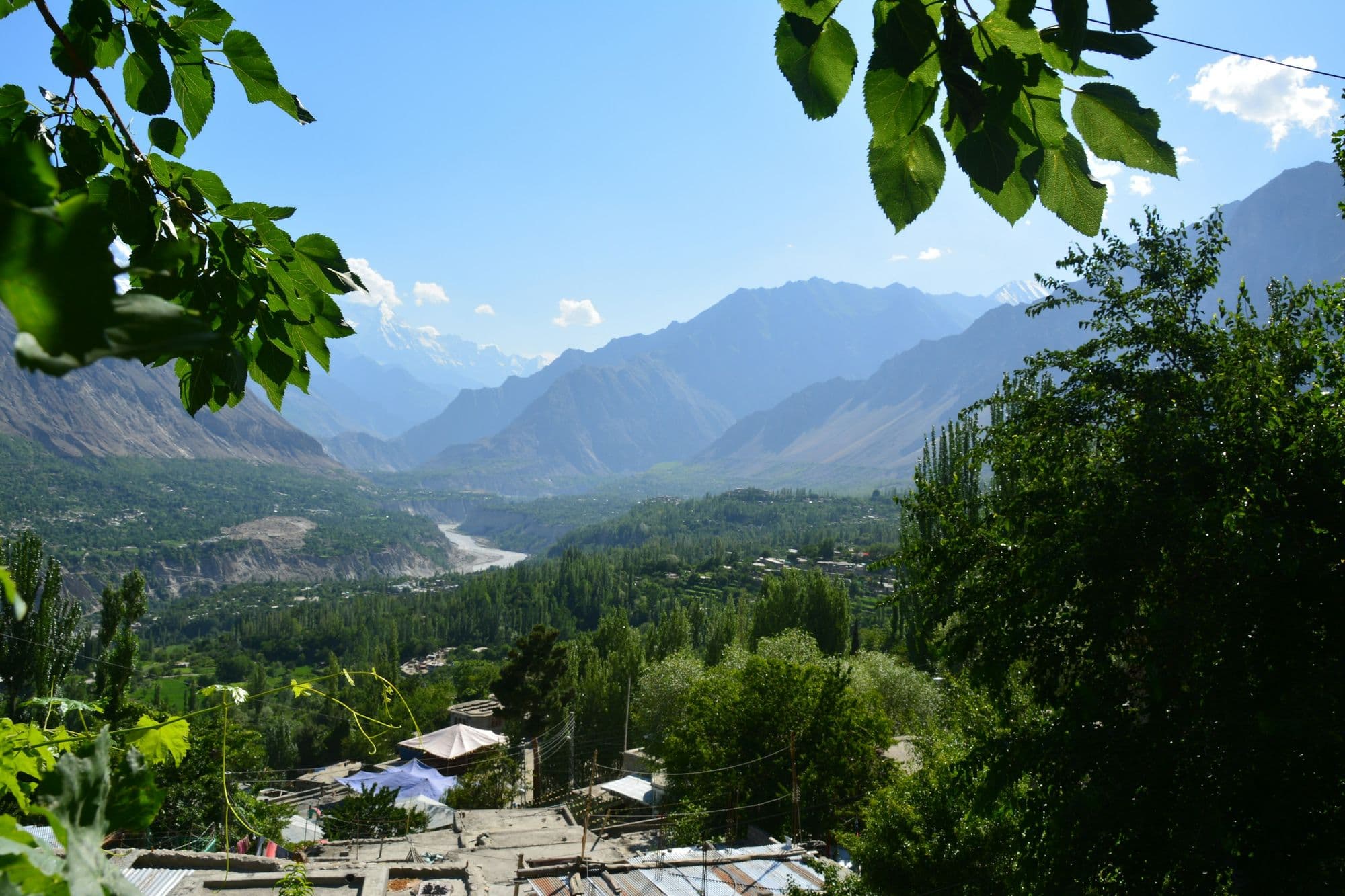
If you want one place to understand why we live here, ask us to drive you up to Duikar, above Altit, before sunrise. From the ridge the first light catches Rakaposhi, Diran, Golden Peak and Ultar in turn while the valley floor is still dark, and the only sound is the call to prayer drifting up from Karimabad. Afterwards walk down to Baltit Fort, which stood over the old capital for around seven centuries before the Aga Khan Trust for Culture restored it in 1996. Nothing about that morning feels like a security briefing.
The risks that actually matter: roads, weather, flights and altitude
Honesty means telling you what does go wrong, and none of it is what the headlines suggest.
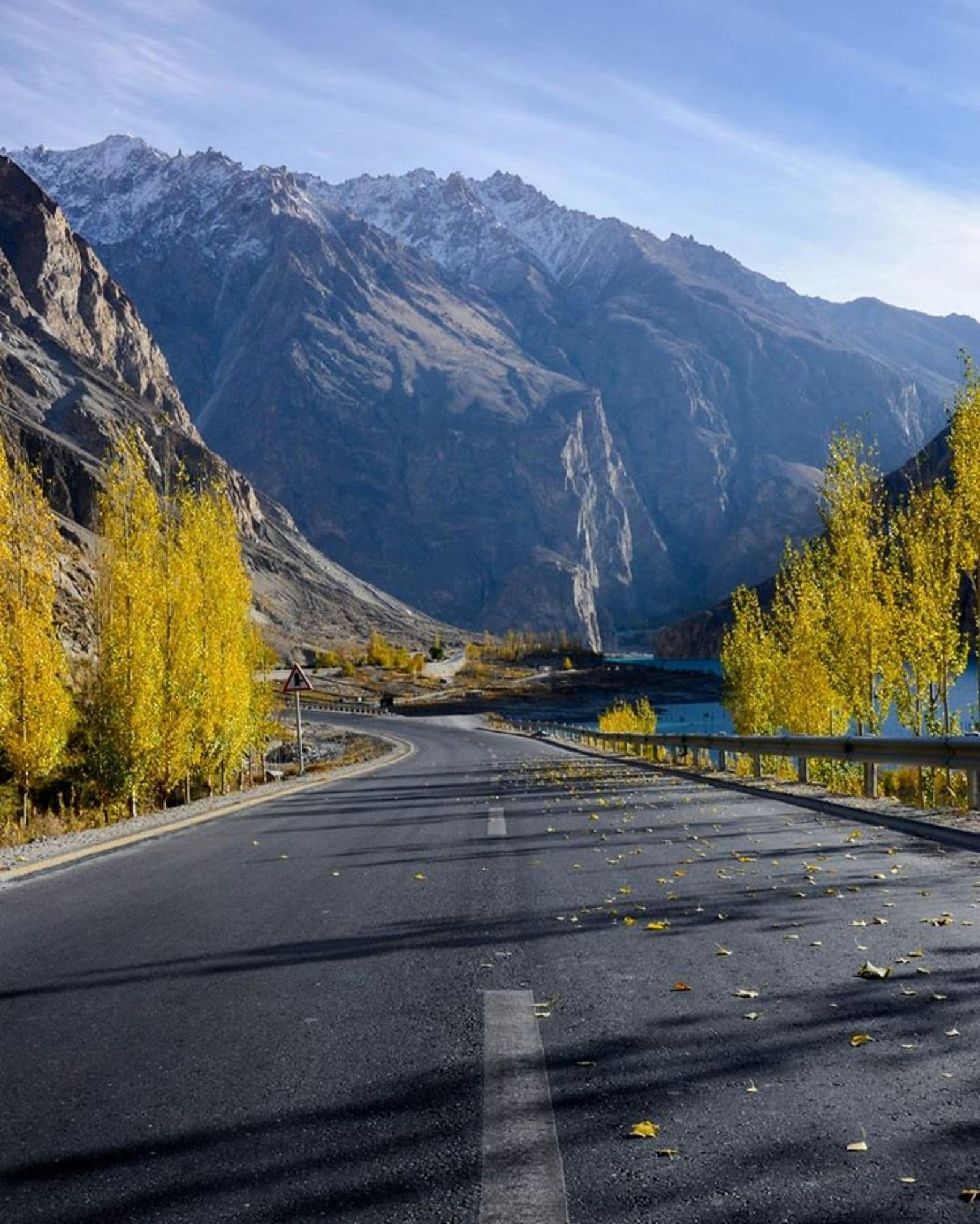
The road. The Karakoram Highway is the safest way into Hunza because it is the lowest, but rockfall and landslides close it for hours, sometimes a day, several times each summer. Our drivers know the slopes that shed stones after rain and we do not drive the worst sections at night. The Babusar Pass route to Gilgit is beautiful but high, and it closes with the first snow for roughly six months. In 2026 it reopened on 25 May after the winter closure, with the usual advice to cross in daylight; expect a similar window, late May to November, in 2027.
The flights. Islamabad to Skardu and Islamabad to Gilgit are among the finest flights on earth when they go. Both are visual-flight-rules routes, so cloud on the mountains cancels them, and cancellations at short notice remain common. We build a spare day into every itinerary and always hold a road plan B. If you have a fixed international departure, fly out of the mountains two days early, not one.
Altitude. Hunza sits at roughly 2,500 metres and Skardu at about 2,200 metres, which most people tolerate. Khunjerab Pass, Deosai and any trek above 4,000 metres are different. On our Snow Lake / Biafo-Hispar trek we climb slowly and carry oxygen, but the honest advice is that altitude sickness, not terrorism, is the health risk you should plan for.
Politics and elections. Gilgit-Baltistan held assembly elections in June 2026, and political rallies can close a road or a bazaar at short notice. The FCDO still notes demonstrations, weather and limited emergency capacity as reasons for care even after lifting its warning. A local operator hears about a closure the evening before, which is usually enough to reroute.
Medical capacity. This is the real gap. Skardu and Gilgit have district hospitals; Hunza has the Aga Khan health centre and small clinics. For anything serious you go to Islamabad, which is a flight or a long day's drive away. Buy insurance that includes helicopter evacuation, and tell us about any condition before you come.
Places I would not take you, and why
Balochistan, most of Khyber Pakhtunkhwa outside the Chitral and Kalash valleys, the border belt with Afghanistan, and the Line of Control. Both advisories say no and so do I. Peshawar is a wonderful city and I hope to take guests there again, but not this year. If a tour operator offers you Quetta or Waziristan in 2027, walk away.
The one grey area is the middle Karakoram Highway between Mansehra and Chilas, which passes through Kohistan. The FCDO advises against it; the Pakistani government routes foreign travellers with a police escort or asks them to fly or use Babusar in summer. We treat it as closed and plan accordingly.
A local guide's honest checklist
Register your trip with your embassy, carry passport photocopies, buy insurance with evacuation cover, dress modestly outside Hunza (Hunza itself is relaxed), keep a spare day for flights, and let a local plan the road days. Come between April and early November unless you want winter. And come with an open mind: the Pakistan you meet will be kinder than the one you read about.
Frequently asked questions
Yes. Hunza has one of the highest female literacy rates in Pakistan and women run many of the cafés and guesthouses in Karimabad. Solo women should still expect attention in Islamabad and Lahore and should book transport through a known operator rather than hailing it.
Skardu is a garrison town with a large military presence and is considered one of the safest districts in the country. The practical risks are flight cancellations and the Deosai altitude, not crime.
The Gilgit to Khunjerab section is well surfaced and safe in daylight. The Mansehra to Chilas section is advised against by the FCDO; most foreign visitors fly to Gilgit or Skardu or use the Babusar Pass in summer.
Not in Hunza, Gilgit or Skardu. Escorts are sometimes assigned on parts of the lower Karakoram Highway and in Chilas. Your operator will know the current rule for each stretch.
Have a spare day and a road plan. We hold vehicles on standby for exactly this, and the drive from Skardu to Islamabad takes a long day via the Jaglot road or two shorter days.
Plan your trip with people who live here
If you want the practical version of this post, with month-by-month seasons, packing lists and a sample budget, download our free Pakistan Trip Planner 2027 guide. And if you would rather tell us your dates and let us build the route, request a custom itinerary and one of us, not a call centre, will write back.
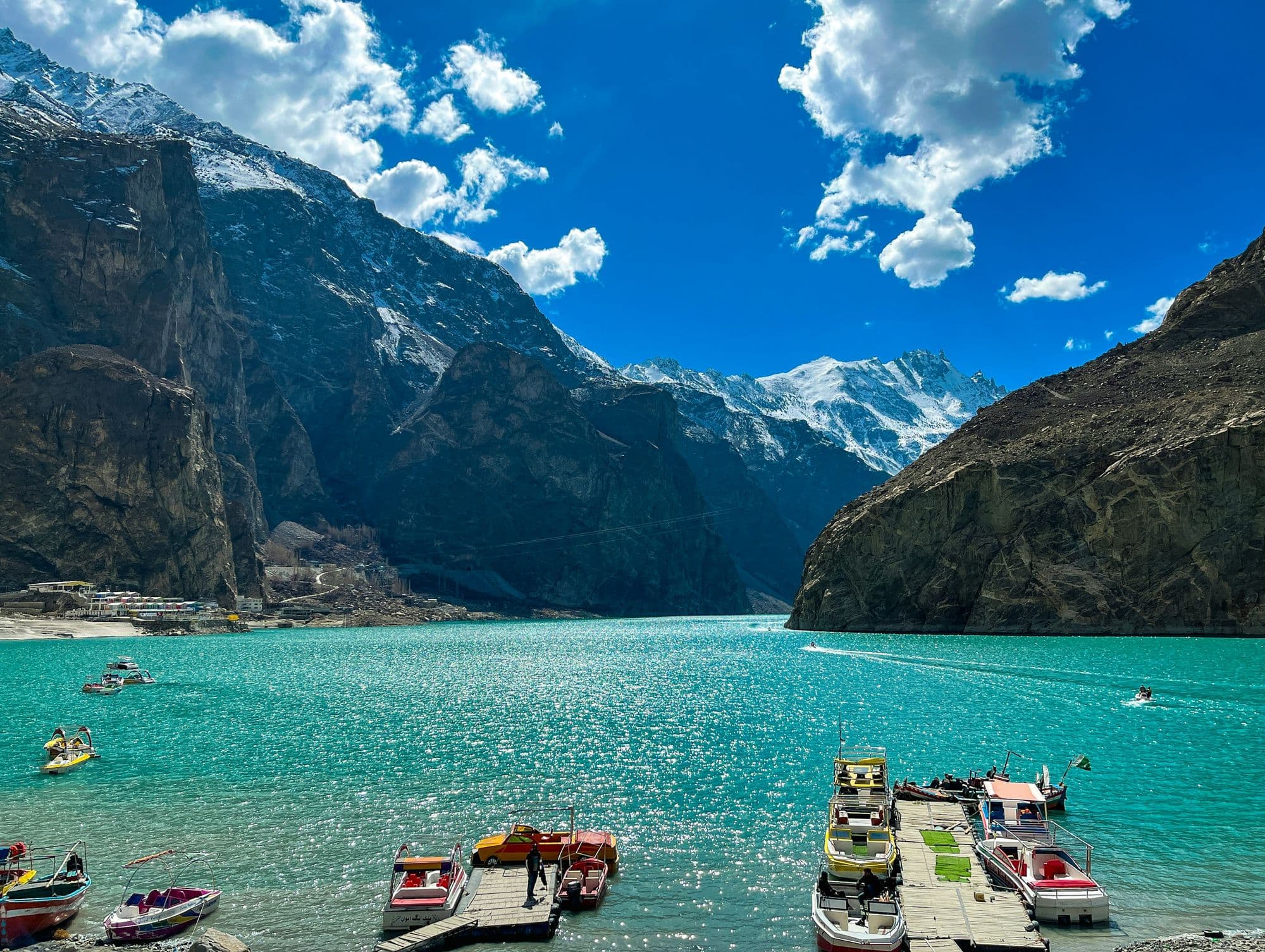
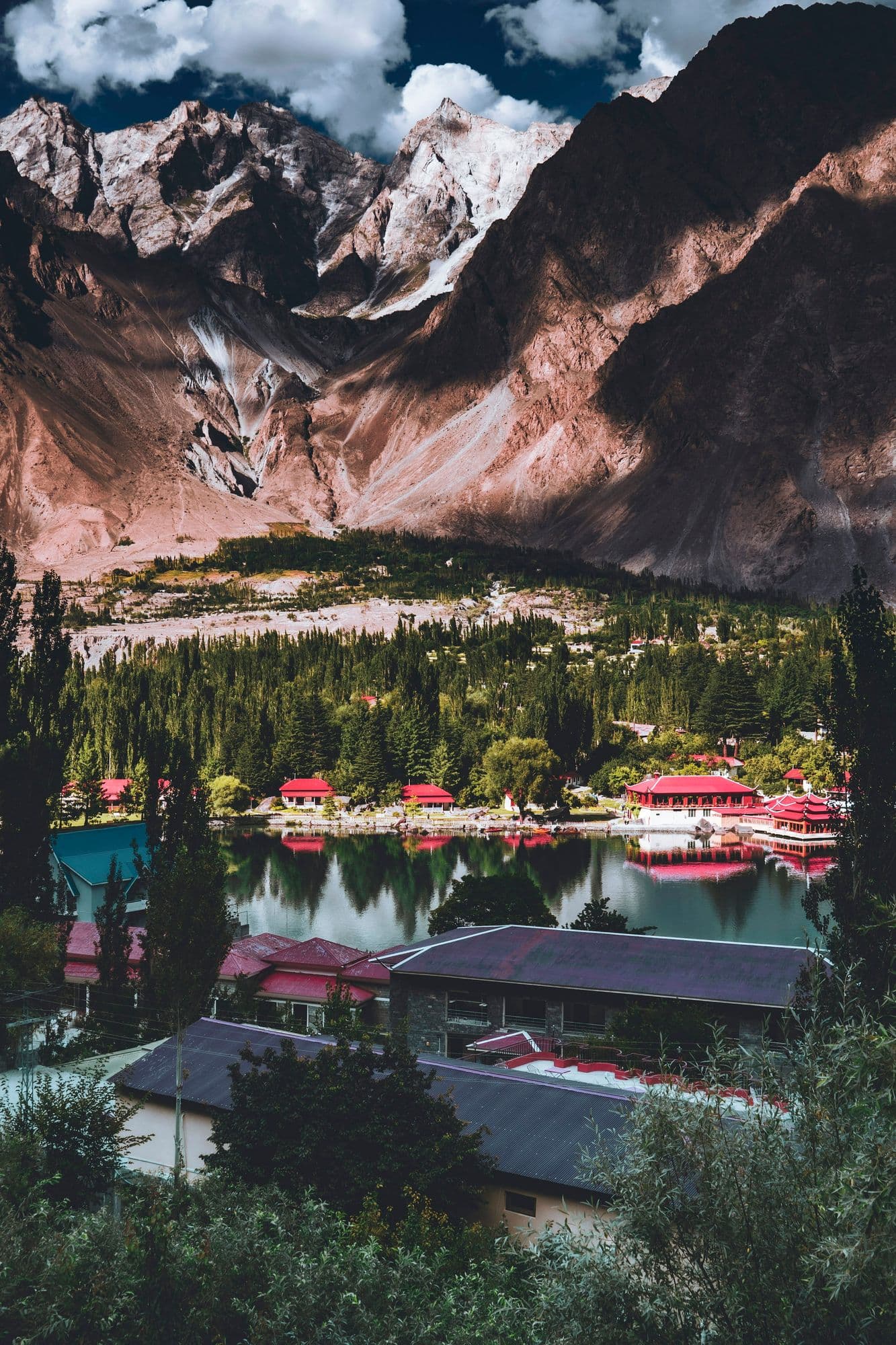
Photo credits: Attabad Lake: Hasan Shaukat / Unsplash (Unsplash Licence). Hunza and Nagar from Duikar: Pervez Sajjad / Unsplash (Unsplash Licence). Karakoram Highway: Shakeel Ahmad / Unsplash (Unsplash Licence). Lower Kachura Lake: Shoaib Khan / Unsplash (Unsplash Licence).
Take the next step
Get the free Pakistan Trip Planner 2027, or tell us your dates and we will cost a private itinerary around them.
Comments (0)
No comments yet — be the first to share your thoughts.