
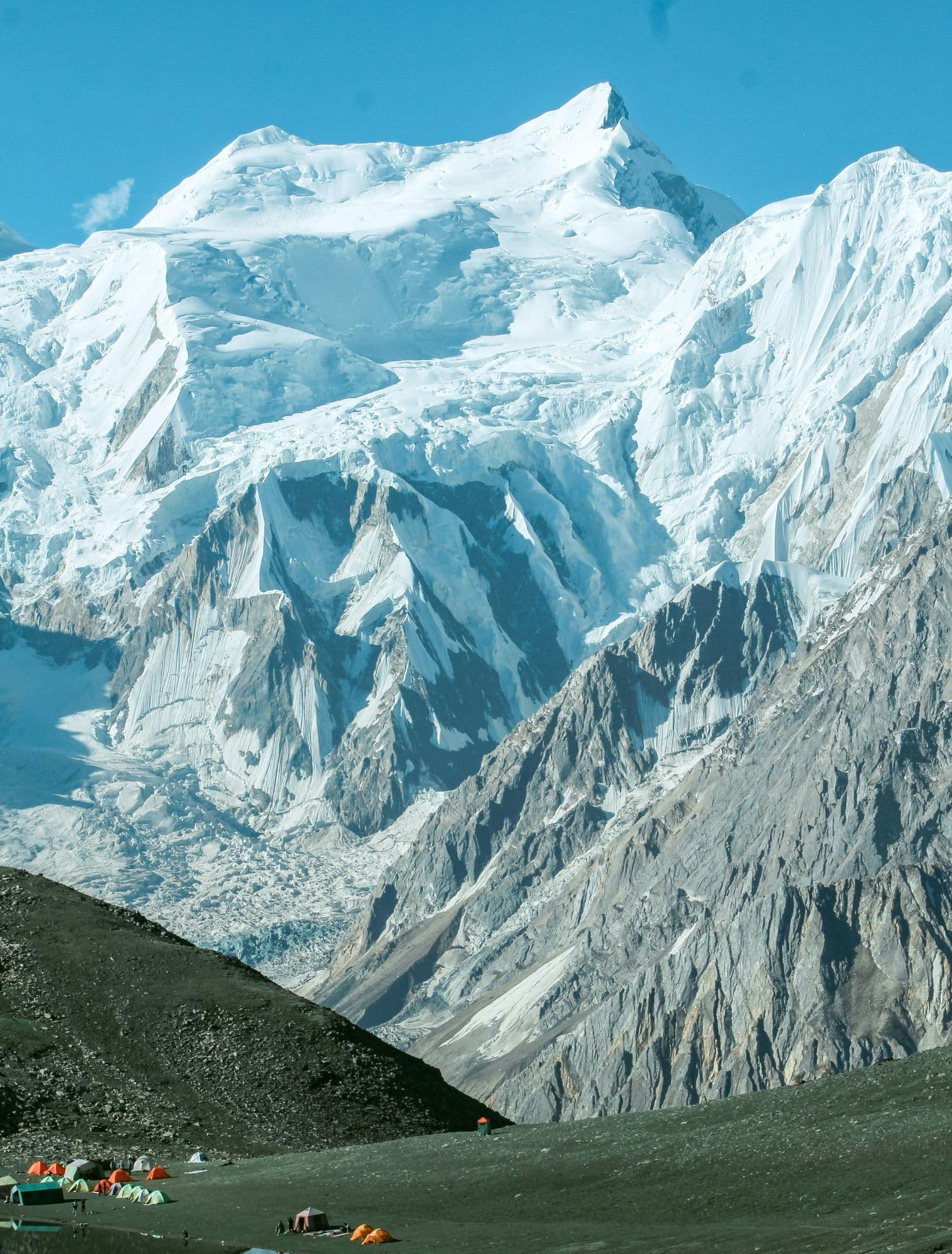
The Snow Lake trek is a 100-kilometre glacier traverse from Askole in Baltistan to Hispar in Nagar over the 5,128-metre Hispar La, and it is harder, wilder and emptier than the K2 base camp trek. It is for fit, experienced trekkers who are comfortable on a rope, happy without a village or a phone signal for two weeks, and who want the finest mountain view in the Karakoram rather than the most famous one.
I grew up in Hunza looking across the river at Nagar, where this trek ends, and our Skardu team has walked the Biafo side since before Third Pole Adventures existed. We get far fewer emails about Snow Lake than about K2, which is exactly why some of you should read on. This is the honest briefing we give before anyone pays a deposit for our 20-day Snow Lake / Biafo-Hispar La trek.
What Snow Lake actually is
Snow Lake, Lukpe Lawo in Balti, is not a lake. It is a high glacial basin at about 4,877 metres (16,000 feet) and roughly 16 kilometres wide, where the Biafo Glacier from the south and the Sim Gang Glacier from the north meet below a ring of peaks that includes the Ogre (Baintha Brakk) and the Latoks. Martin Conway, the first outsider to reach it in 1892, called it "beyond all comparison the finest view of mountains it has ever been my lot to behold", and the Workmans in 1899 thought it might be a polar-style ice cap (Wikipedia)). Standing in the middle of it, with the snow stretching flat to the horizon in every direction, you understand both of them.
The trek links the 63-kilometre Biafo Glacier and the 49-kilometre Hispar Glacier over Hispar La, which Wikipedia lists at 5,128 metres. Together they form the longest glacial traverse outside the polar regions. You walk on ice or moraine almost every day from day three to day fourteen.
How hard is it, honestly?
Harder than Everest base camp, harder than K2 base camp, easier than any climb. Here is what that means in practice.
The altitude is similar to K2 base camp: you sleep at 4,400 to 4,900 metres for four or five nights and cross a pass at 5,128 metres. The difference is that there is no easy escape. On the Baltoro, a sick trekker can be walked down to Paiju in two days and a helicopter can land at Concordia. On the Biafo, once you are past Baintha, the only way out is forward over the pass or back the way you came, and a helicopter rescue is possible but slower and more expensive to organise.
The terrain is the real test. The lower Biafo is a highway of white ice, pleasant and fast. The upper Biafo and Snow Lake itself are snow-covered and crevassed, so you walk roped together in the early morning before the snow bridges soften, and you wear a harness. Hispar La is non-technical, meaning no climbing, but the descent on the Hispar side is a long, hot day on broken glacier and then four days of moraine, side glaciers and loose ground. Most people find the Hispar side harder than the pass.
Fitness: you need to carry a 7 to 10 kg day pack for six to eight hours, fourteen days in a row, with one rest day. If you can do that happily on a long weekend in the Lake District, the Alps or the Rockies, and you have been above 4,000 metres before without problems, you are the right person.
The 20-day itinerary, day by day
This is the shape of our standard departure. Exact camps shift with glacier conditions and we always keep one buffer day in hand.
Days 1 and 2 are Islamabad: arrival, the permit briefing, and the flight to Skardu (with the road as plan B if the flight is cancelled, which happens). Day 3 is Skardu to Askole by jeep, six to eight hours up the Braldu valley. Day 4 walks from Askole to Namla, the first camp on the Biafo moraine, and day 5 reaches Mango. Day 6 is the long day to Baintha, a grassy ablation valley at about 4,000 metres with fresh water and the first big views of the Latoks; we take day 7 as an acclimatisation rest day here.
Day 8 is Baintha to Marpogoro and day 9 is Marpogoro to Karpogoro, both on the upper Biafo, and both days where you first put on the harness. Day 10 brings you to Snow Lake camp at about 4,800 metres, and day 11 is our spare day, used for the pass crossing if the weather is bad or for a short walk toward the Sim Gang if it is good. Day 12 is the pass: a pre-dawn start, three to four hours up to Hispar La, and a long descent to Khani Basa on the Hispar Glacier.
Days 13 to 16 descend the Hispar Glacier through Yutmaru, Bitanmal and Dachigan, each day crossing a side glacier that flows in from the north. Day 17 reaches Hispar village in Nagar, the first houses and apricot trees in two weeks, and the jeep to Karimabad in Hunza. Day 18 is a rest day in Hunza, day 19 is the drive or flight to Islamabad, and day 20 is departure. [confirm locally: current camp names and stage lengths on the Hispar side after this summer's glacier movement]
Who it is for, and who should book something else
Book Snow Lake if you have done a multi-day trek above 4,000 metres before, you are comfortable walking roped on snow or willing to practise, and you value solitude over bragging rights. On the Baltoro in July you will share camps with a hundred people. On the Biafo you may meet one other group in two weeks.
Book something else if this is your first high trek, if you cannot take 20 days off, or if a weather-forced retreat would ruin the trip for you. The K2 base camp trek is the better first Karakoram trek, and our Gilgit-Baltistan Autumn Tour or 13-day Ultimate Pakistan Tour will show you the same mountains from the valleys.
Families with teenagers, no. Solo travellers, yes, but we run the trek only with a minimum of four so that there are enough people on the rope.
Permits, season and cost
The Biafo-Hispar route crosses the Central Karakoram National Park and is treated as a restricted-area trek, so foreigners need a trekking permit arranged through a licensed operator, plus the park fee. As I write, one Pakistani operator's fee page updated on 3 October 2026 lists the restricted-area trekking permit at $150 per person in summer and a $190 per person CKNP environment fee, but these fees were raised in 2024 and then suspended by the Gilgit-Baltistan Chief Court in 2025, so budget US$300 to US$450 and treat the exact figure as [confirm locally: current GB Tourism Department trekking permit and CKNP fee]. We handle the paperwork and the permit takes four to six weeks, so book by May for a July departure.
The season is short: late June to late August. Earlier and the lower Biafo has too much snow; later and the Hispar side streams are in flood in the afternoon and the first autumn storms reach the pass. We run departures in July and the first half of August.
Costs are higher than K2 base camp because the trek is longer and needs more porters per trekker (loads for 14 days rather than 8), a rope team and a guide trained for crevasse rescue. Expect US$3,200 to US$4,500 per person for the land package from Islamabad with a locally owned operator, and more from a foreign brand; see our K2 cost breakdown for the flight, visa, insurance and tip lines that apply equally here. Insurance must cover helicopter evacuation above 5,000 metres; check the altitude limit in the small print.
What to pack that you would not take to K2
A harness, two locking carabiners and a prusik loop (we supply ropes, but we ask you to bring your own harness so it fits). Gaiters and a pair of microspikes or light crampons for the icy mornings on the upper Biafo. A sun hat with a neck flap and glacier glasses rated for high-altitude snow, because Snow Lake is a white bowl with no shade. A warmer sleeping bag than you think, rated to minus 15°C comfort. And a book: the rest day at Baintha and the weather day at Snow Lake are long.
[owner: add a local detail here — e.g. the Hispar porter who has crossed the pass most times, or what the Baintha camp meadow looks like in late July]
Frequently asked questions
Strenuous. Fourteen consecutive days on glacier and moraine, four or five nights above 4,400 metres, a 5,128-metre pass, and roped walking on crevassed snow. It is non-technical but needs previous high-altitude trekking experience.
About 100 kilometres of glacier from Askole to Hispar, which takes 14 walking days including one rest day and one buffer day, within a 20-day itinerary from Islamabad.
Yes. A restricted-area trekking permit plus the Central Karakoram National Park fee, both arranged by your operator four to six weeks in advance.
July to mid-August. Outside that window the lower Biafo holds too much snow or the Hispar streams are too high.
Different. K2 base camp has the famous peaks and the crowds; Snow Lake has the biggest ice basin in the range and almost nobody. Do K2 first if you are new to the Karakoram; do Snow Lake if you want the trek guides talk about among themselves.
Plan your Karakoram trek with people who live here
Download our free Pakistan Trip Planner 2027 for a season calendar, a fitness checklist and a packing list that covers both treks. Or request a custom itinerary with your dates and experience, and one of our guides will tell you honestly which trek you should be doing.
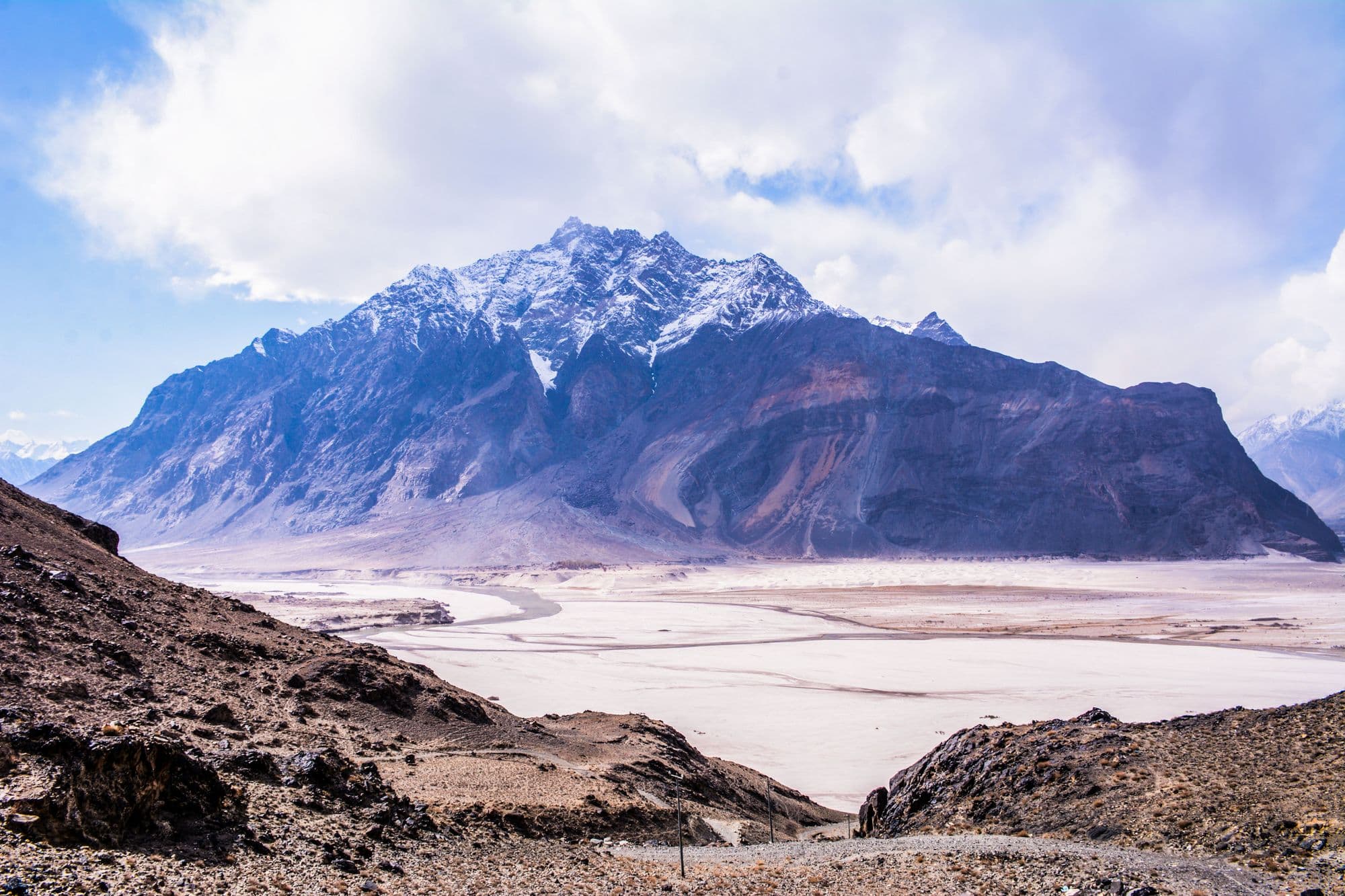
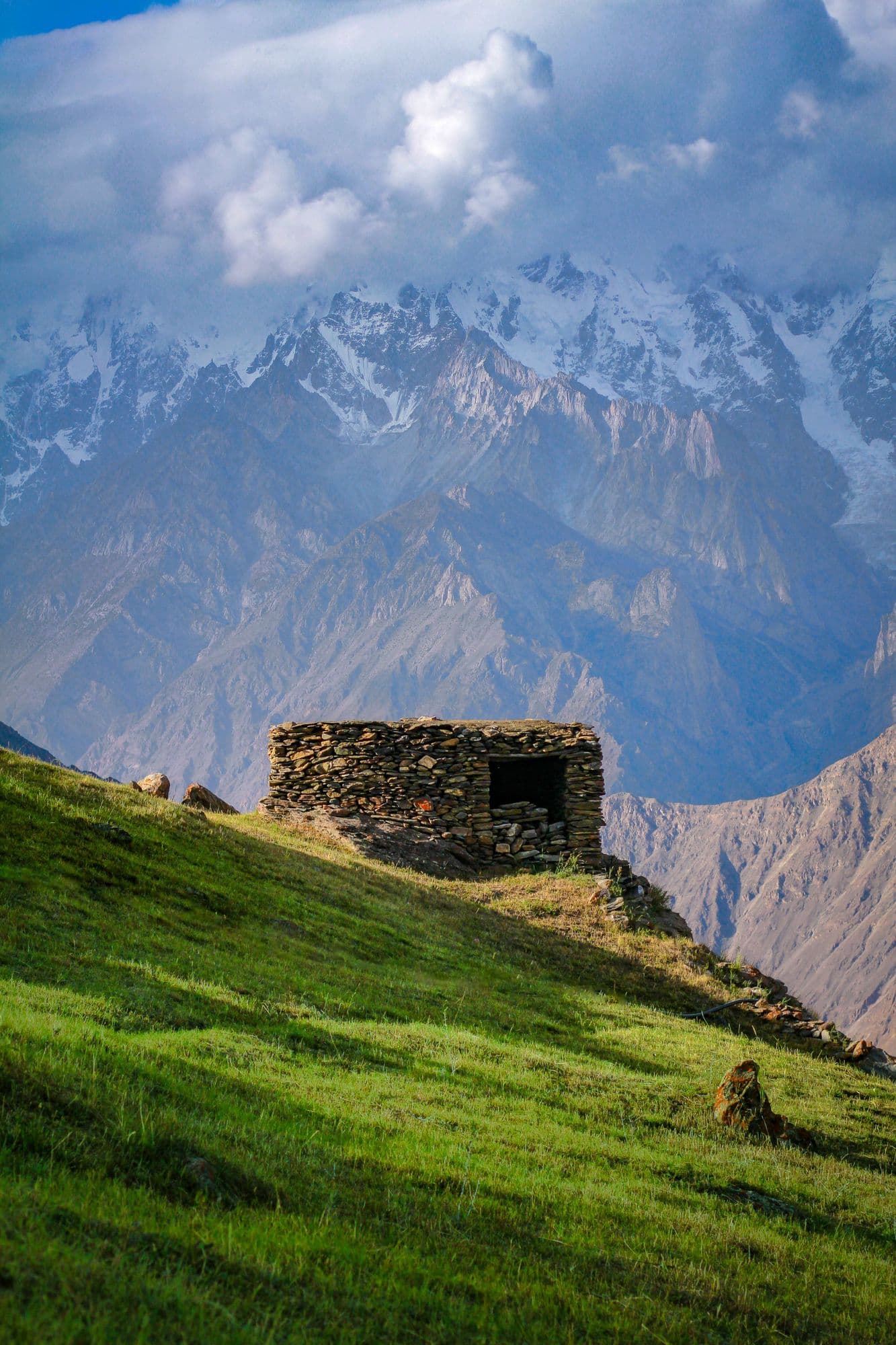
Photo credits: Hoper valley glacier camp, Nagar: The Hunzai Lad / Unsplash (Unsplash Licence). Skardu valley: USA Studio / Pexels (Pexels Licence). Hopar village, Nagar: Syed Atif Hussain Kazmi / Pexels (Pexels Licence).
Take the next step
Get the free Pakistan Trip Planner 2027, or tell us your dates and we will cost a private itinerary around them.
Comments (0)
No comments yet — be the first to share your thoughts.